That Symbol Was So Close — And That's Exactly the Point
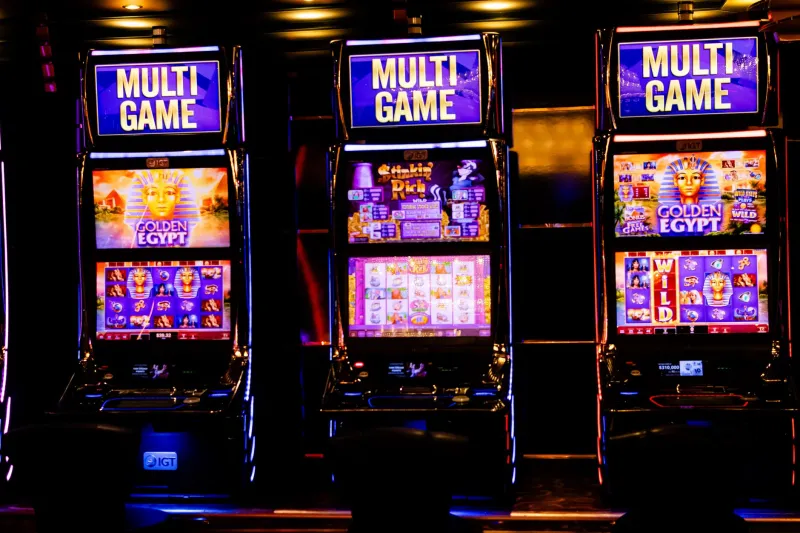
You're mid-session, maybe twenty minutes into a slot you've been enjoying, when it happens. Two high-value symbols land perfectly in place. The third reel slows down like it's teasing you. It ticks past the symbol you need — and stops one position short. Your stomach drops. You feel like you almost won something real.
Except you didn't almost win anything. And the slot knew exactly what it was doing.
This is the near-miss mechanic, and it's one of the most quietly powerful tools baked into modern online slot design. Understanding how it works won't necessarily change how you feel when it happens — but it might change what you do next.
What a Near-Miss Actually Is (And Isn't)
Let's clear something up right away. A near-miss in a slot machine is not a close call in any meaningful sense. The outcome of every spin is determined the instant you hit the button — the spinning reels are just a visual presentation of a result that's already been decided by the game's random number generator (RNG).
So when that third reel stops one symbol short of a jackpot, it's not that you almost hit the jackpot. The RNG already decided you didn't win before the animation even started. The visual display is constructed after the fact to show you what the game wants you to see.
That distinction matters a lot. Because what you're watching isn't a real physical process — it's a scripted performance designed to create a specific emotional response.
How Slot Developers Program the Illusion
Here's where the math gets interesting. On a mechanical slot machine from decades past, each reel had a fixed number of stops, and the odds were tied directly to the physical positions on the reel. A near-miss happened occasionally just by chance.
Modern digital slots work differently. The RNG maps thousands of virtual stops to a much smaller set of visible symbols. A jackpot symbol might appear once on a virtual reel of 64 stops, but a blank space positioned just above or below that symbol could appear four or five times. That means losing spins that land adjacent to the jackpot symbol are far more common than random chance would suggest.
Game designers can — and do — configure these weightings deliberately. The result is that near-miss outcomes appear at a higher frequency than pure probability would produce. You see "almost" more often than you statistically should, and that's not a glitch. It's a feature.
In the US, the legality of programmed near-misses varies by state and jurisdiction, and it's been a point of regulatory debate for years. Some jurisdictions have moved to restrict how often these outcomes can appear. But in online casino environments, the rules can be murkier, especially when platforms are licensed offshore.
Your Brain on Almost
The psychological machinery that near-misses exploit is well-documented. Research going back decades — including landmark studies by psychologists like Michael Dixon and colleagues in Canada — consistently shows that near-miss outcomes activate reward-related brain circuitry in ways that actual losses do not.
In simple terms, your brain doesn't fully process a near-miss as a loss. It processes it as interrupted success. The dopamine system, which normally fires in response to rewards, also activates in response to near-reward signals. Your body gears up for a win that never arrives, and the resulting frustration-plus-excitement cocktail is a powerful motivator to try again.
This is sometimes called the "near-miss effect," and it's been shown to increase the urge to keep playing even in people who intellectually understand that the next spin has no connection to the previous one. Knowing it's random doesn't fully protect you from the emotional pull.
For players who are already prone to chasing losses or who have tendencies toward compulsive play, near-misses can be particularly potent. The sensation of being this close is hard to shake, even when you know the math.
The Design Language of Frustration
Slot developers don't just use near-misses in isolation. They layer them into a broader sensory experience designed to amplify the effect. When that third reel slows down and ticks past the symbol you need, the audio often shifts — a tense little sound effect, a slight visual wobble, a moment of manufactured suspense. The game performs the near-miss for you.
Some slots go further by incorporating "reel nudge" features or slow-stop animations that literally pause on the near-miss symbol to make sure you notice it. Others use hold-and-spin mechanics that let you freeze certain reels, which means a near-miss becomes an active invitation to spend more credits to try and complete the win.
All of this is intentional design language. The near-miss isn't just a random visual outcome — it's a narrative beat in a short story the slot is telling you, and the story always ends with "one more spin."
What You Can Actually Do With This Information
Knowing about near-miss mechanics doesn't make you immune to them. That's the honest reality. But awareness does give you something useful: a pause point.
When you feel that familiar gut-punch of almost-winning, try treating it as a signal rather than a prompt. Instead of spinning again immediately, take a breath. Remind yourself that the outcome was already decided before the animation started. The reel didn't almost land on the jackpot — it was never going to, and the game is showing you a version of the result designed to feel close.
Setting session limits before you start playing is one of the most practical ways to protect yourself from this kind of engineered tension. When you've already decided in advance that you'll stop after a certain number of spins or a certain dollar amount, a near-miss loses some of its leverage. The decision is already made — the game can't unmake it for you.
It also helps to pay attention to how near-misses make you feel over the course of a session. If you notice your mood tightening, your bets creeping up, or your internal voice switching from "this is fun" to "I need to hit that," those are signs the mechanic is doing exactly what it was built to do.
The Bigger Picture
Near-miss mechanics are one piece of a much larger design philosophy in online slots — a philosophy built around extending play sessions and deepening emotional engagement. That's not inherently sinister; entertainment products are supposed to be engaging. But when the engagement tools are specifically calibrated to exploit psychological vulnerabilities, it's worth understanding what you're actually dealing with.
At FafaSeLoT, we think the most enjoyable sessions are the ones you walk away from on your own terms. Knowing that your close calls are constructed — not real — is one small but meaningful way to stay in the driver's seat.