RTP, Hit Frequency, and Variance: What the Numbers on Your Favorite Slots Actually Mean

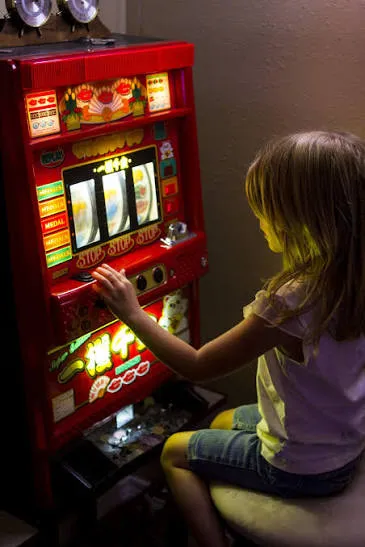
Photo: Millethills, CC0, via Wikimedia Commons
Walk into any online casino lobby and you're surrounded by numbers. Ninety-six percent RTP here, high volatility there, hit frequency of one in four spins somewhere else. It's a lot to process when all you really want to do is pull up a game and start spinning. But here at FafaSeLoT, we think those numbers deserve a closer look — because understanding them can genuinely change how you choose your games and what you expect when you play.
Let's cut through the jargon and get into what these metrics actually mean in real-world play.
What RTP Really Tells You (And What It Doesn't)
Return to Player, or RTP, is probably the most talked-about stat in online slots. It's expressed as a percentage — say, 96% — and it represents how much of all money wagered on that game is theoretically paid back to players over time. So a slot with 96% RTP returns $96 for every $100 wagered, on average, across millions of spins.
Here's where players trip up: that "over time" qualifier is doing a lot of heavy lifting. RTP is calculated across enormous sample sizes — we're talking hundreds of thousands or even millions of spins. In any single session, your personal RTP could be 200% or 0%. The theoretical number smooths out over a massive volume of play that no individual player will ever personally experience.
That said, RTP still matters as a comparison tool. A slot sitting at 94% is mathematically less favorable than one at 97% over the long haul. When you're picking between games, all else being equal, the higher RTP slot gives your bankroll a slightly better theoretical runway. Popular titles like NetEnt's Blood Suckers (98% RTP) and Mega Joker (99% in certain modes) are frequently cited as player-friendly options, while many branded or jackpot slots dip into the 92-94% range to fund those massive prize pools.
Hit Frequency: How Often Does Something Actually Happen?
Hit frequency tells you how often a spin results in any kind of win — even a small one. A game advertising a 30% hit frequency means roughly three out of every ten spins will land some form of payout. Sounds great, right? Not so fast.
Hit frequency and payout size have an inverse relationship in most slot designs. Games engineered to hit frequently tend to deliver smaller wins — often less than your original bet. You might land something on spin after spin, but you're slowly bleeding your balance while feeling like you're winning constantly. It's a psychological trick as much as a mechanical one.
On the flip side, a slot with a 10% hit frequency might go cold for long stretches, but when it does pay, the amounts tend to be more meaningful. Neither approach is objectively better — it comes down entirely to what kind of session you're after.
For players who like the feeling of constant action and don't want their balance to crater in five minutes, higher hit frequency games offer that rhythm. For players chasing bigger moments and willing to weather dry spells, low hit frequency slots are often where the real fireworks happen.
Variance (Volatility): The Personality of a Slot
If RTP is the math and hit frequency is the rhythm, variance — often used interchangeably with volatility — is the personality of a slot. It describes how wildly a game's payouts swing from session to session.
Low variance slots pay out smaller amounts more regularly. Think of them as the steady grind — you won't often walk away with your jaw on the floor, but you also won't watch your entire deposit disappear in ten minutes. Games like Starburst or Gonzo's Quest lean toward this end of the spectrum and are popular with players who prefer longer, more consistent sessions.
High variance slots are the thrill-seekers' playground. These games can go dozens or even hundreds of spins without a meaningful payout, then suddenly erupt with a massive multiplier or bonus feature that makes the whole session worthwhile — or more than worthwhile. Titles like Dead or Alive 2, Razor Shark, and Tombstone RIP are notorious for their high-volatility swings. They demand patience and a bankroll that can absorb the dry runs.
Medium variance slots split the difference and represent the bulk of what you'll find in most US-facing casino lobbies. They offer a mix of smaller regular wins and occasional bigger hits, making them accessible to a wide range of play styles.
Theoretical vs. Actual: The Gap Most Players Feel
Here's the honest truth about slot metrics: they describe a mathematical ideal, not your lived experience. You can sit down with a 97% RTP, low-variance slot and still lose your session stake. You can also hit a big bonus on a 94% RTP, high-variance game in your first twenty spins and walk away well ahead.
The numbers create a framework for expectation-setting, not a guarantee. What they're genuinely useful for is alignment — matching a game's characteristics to your personal goals for a session.
Asking yourself a few questions before you load up a slot can make a real difference:
- How long do I want to play? Longer sessions generally favor lower variance and higher hit frequency.
- What's my budget tolerance for cold streaks? High variance games require a bigger cushion to ride out the swings.
- Am I here for the experience or chasing a life-changing hit? Progressive jackpot slots trade lower RTP for the dream of a massive payout — that's a valid choice, just go in with eyes open.
Finding the Right Fit at FafaSeLoT
The beauty of the modern online slot landscape is the sheer variety available. Whether you're the type who likes steady, low-stakes entertainment while watching a game on Sunday afternoon, or you're the kind of player who wants to load up a high-volatility beast and ride it out for a big moment, there's a slot engineered for exactly that.
Most reputable game developers publish RTP figures in the game's help section or paytable — it takes thirty seconds to check before you commit your bankroll. Hit frequency and variance classifications are a little less standardized, but casino review sites and community forums (including our own coverage here at FafaSeLoT) are solid resources for tracking down that info on specific titles.
The bottom line? RTP, hit frequency, and variance aren't just numbers for math nerds. They're the roadmap to understanding what a slot is actually built to do — and whether that lines up with what you're looking for when you sit down to spin. Use them, and you'll make sharper choices every time you hit the lobby.