Same Reels, New Name: How Slot Clones Sneak Into Your Lobby
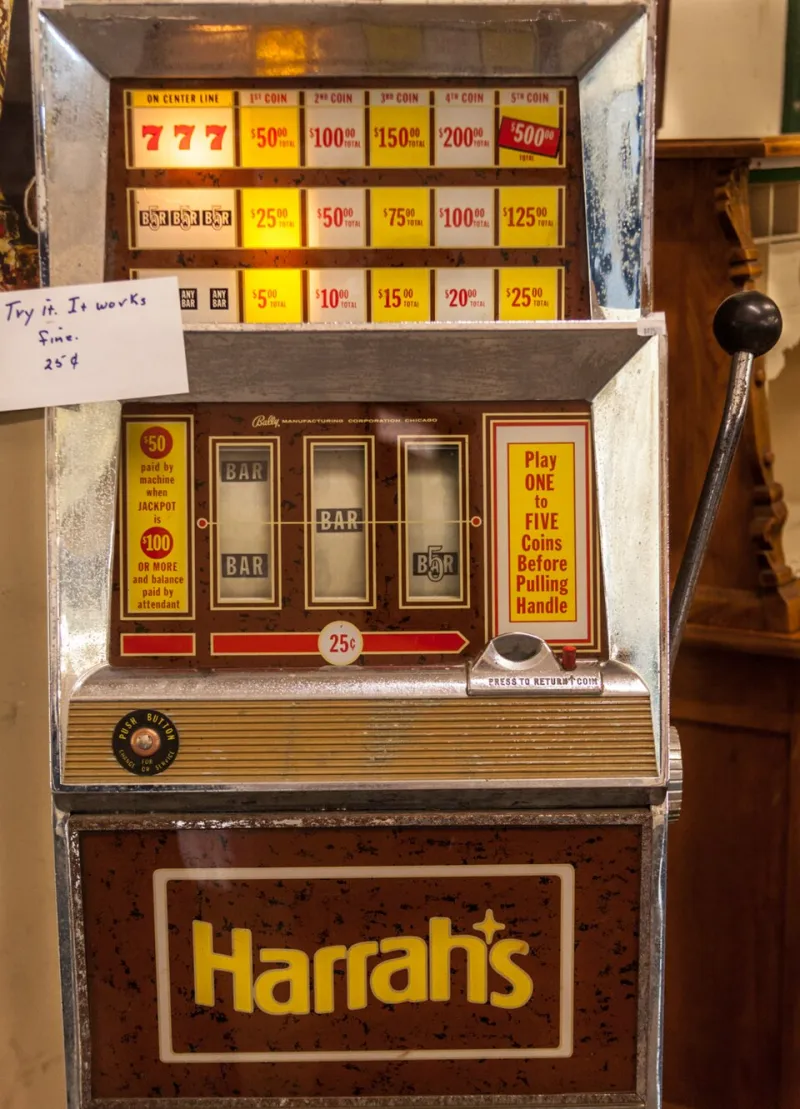
Photo: Paul VanDerWerf from Brunswick, Maine, USA, CC BY 2.0, via Wikimedia Commons
Open your favorite casino lobby on a Friday night and the new row can feel like a family reunion. There is a shiny title with a desert theme, a shiny title with a fruit theme, and a third game that swears it is completely different because the wild symbol is now a flamingo. Under the hood, the reel set, the paytable shape, and the bonus trigger may be old friends.
What counts as a slot clone?
Cloning is not one thing. A reskin takes an existing game and swaps art, sound, and branding. A white-label release lets another operator or studio put its name on a shared platform. A copycat mechanic borrows the bonus structure, volatility profile, or grid layout without copying the art. The result is a lobby full of games that feel new at a glance and familiar by the second spin.
Why developers keep shipping déjà vu
Making a slot from scratch is expensive. Proving a new math model in regulated US markets takes time, testing, and paperwork. A proven mechanic with fresh art is cheaper, faster, and easier to sell to casinos that want a recognizable hit. It also lets providers fill shelves in states where they have licenses but not a deep local catalog. Players say they want novelty; operators know they also want comfort. A clone is a bet on that tension.
How to spot one before you spin
Start with the paytable, not the promo art. Compare the number of paylines or ways to win, the top symbol payouts, the bonus trigger, the max win, and the stated RTP. Check the volatility and hit frequency if the game publishes them. Look at the provider name and the release notes. If a new game has the same grid, same bonus cadence, and same math as a title you already play, you are probably looking at a reskin. That is not automatically bad. It is just not new.
The gray zone between homage and copy
Slot mechanics are not protected the way characters and logos are. Studios can legally build games around similar features, especially once a mechanic becomes an industry standard. What crosses a line is usually art, trademarks, or proprietary code. That is why the lobby fills with near-identical games that are legally distinct. The player's job is not to referee copyright. It is to notice when new means same math, different paint.
What it means for your session
Familiarity can be a feature. If you liked the original, a reskin may deliver the same rhythm with a theme you enjoy. But do not assume a clone is an upgrade. Check the RTP, the max bet, and the bonus terms. A prettier version of the same reel set can carry a lower theoretical return or a harsher volatility profile. On FafaSeLoT, the smart play is to judge the numbers first and the mascot second.
The clone test
Before you commit a session, ask: Have I seen this bonus before? Does the paytable match a game I know? Is the RTP published and comparable? Am I paying for novelty or just a new coat of paint? If the answer is new coat, treat it like a familiar machine, not a fresh adventure. The reels may be clones. Your bankroll does not have to be.