Slot Machine Myths Busted: 7 False Beliefs That Are Draining Your Balance
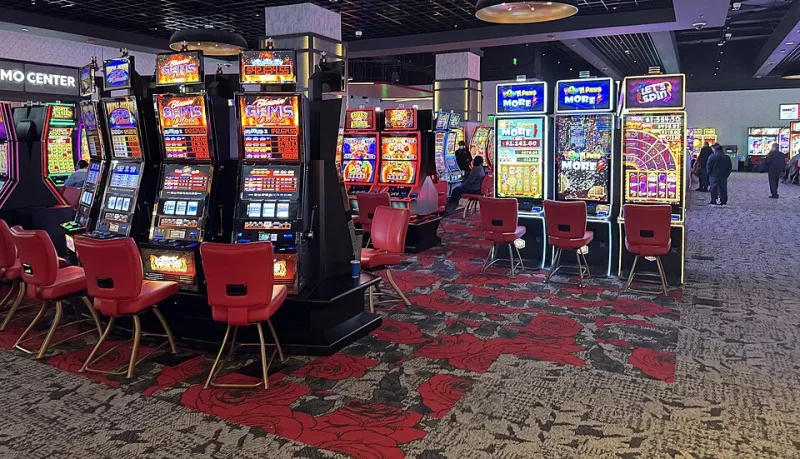
Photo: Toohool, CC BY-SA 4.0, via Wikimedia Commons
Online slots are one of the most popular forms of digital entertainment in the US — and also one of the most misunderstood. Over the years, a whole ecosystem of myths, superstitions, and half-truths has built up around how these games actually work. Some of these beliefs are harmless. Others? They're quietly costing players real money.
At FafaSeLoT, we believe informed players are better players. So we're pulling back the curtain on seven myths that refuse to die — and explaining the actual science behind what you're seeing on screen.
Myth #1: Slots Go Through 'Hot' and 'Cold' Cycles
The myth: A machine that's been paying out is "hot" and worth playing. One that hasn't hit in a while is "cold" and should be avoided.
The reality: This is probably the most widespread misconception in all of slot gaming. Every single spin on a modern online slot is determined by a Random Number Generator — a sophisticated algorithm that produces independent, unpredictable results on every play. The game has no memory. It doesn't know you've been spinning for 45 minutes without a bonus. The outcome of spin number 500 has zero statistical relationship to spin number 499.
There are no hot or cold machines. There's only variance — the natural, expected fluctuation in results over any given sample of spins.
Myth #2: A Jackpot Just Hit, So It Won't Hit Again for a Long Time
The myth: After a big jackpot, the machine "resets" and needs time before it can pay out again.
The reality: See above — RNG doesn't work on schedules. A progressive jackpot could theoretically hit twice in the same hour, or it could go weeks without triggering. The odds of hitting that jackpot on any given spin are fixed and don't change based on recent history. Avoiding a game because it just paid big is just as irrational as chasing one because it "hasn't hit yet."
Myth #3: Near-Misses Mean You're Close to Winning
The myth: When two jackpot symbols land and the third just barely misses, you're almost there — keep spinning!
The reality: Near-misses are a feature of slot design, not a signal from the universe. Game developers intentionally program near-miss outcomes to appear more frequently than pure chance would produce them. Why? Because psychologically, they feel like almost-wins and trigger continued play. The near-miss has no predictive value whatsoever. You're not "almost" at a win — the next spin is just as random as any other.
This is one of the more manipulative mechanics in slot design, and recognizing it for what it is can save you from making emotionally driven decisions at the worst possible time.
Myth #4: Betting Max Always Gives You Better Odds
The myth: Slot machines pay better percentages when you bet the maximum amount per spin.
The reality: This one is partially rooted in truth from the era of physical, coin-operated machines — some older slots did require max bets to unlock certain paylines or jackpot eligibility. But on most modern online slots, the RTP (Return to Player) percentage is the same regardless of your bet size. Betting max doesn't improve your odds; it just increases your exposure per spin.
The exception worth noting: some progressive jackpot slots do require a maximum bet to qualify for the top prize. Always check the game rules before assuming — but don't let that push you into betting beyond your comfortable range.
Myth #5: Casinos Can Flip a Switch to Tighten or Loosen a Game
The myth: Online casinos adjust their slots' payout rates in real time — making them looser during off-hours to attract players and tighter on weekends when traffic is high.
The reality: Reputable online casinos operate under strict licensing regulations, and RTP rates are set by the game developers — not the casino operators. Changing those rates requires a software update and, in regulated markets, regulatory approval. It's not something that happens with a button click on a busy Friday night.
The RTP you see listed for a game is the actual long-term average payout rate. It might be 96%, meaning for every $100 wagered over millions of spins, the game returns $96 on average. That number doesn't fluctuate based on the day of the week or how many players are online.
Myth #6: Using Auto-Spin Changes Your Chances
The myth: Manually clicking each spin gives you better results than using the auto-spin feature, or vice versa.
The reality: Whether you tap the spin button yourself or let auto-spin handle it, the RNG doesn't care. Each spin is generated independently the instant it's triggered — the method of triggering it is completely irrelevant to the outcome. Auto-spin is a convenience feature, nothing more.
This myth persists because humans are pattern-seeking creatures. If someone had a great session using auto-spin, they remember it. If they had a rough one clicking manually, that memory sticks too. The brain connects dots that aren't actually connected.
Myth #7: A Slot That Hasn't Paid in a While Is 'Due' for a Win
The myth: If a slot hasn't produced a significant win in many spins, probability says it must be about to pay out.
The reality: This is known as the Gambler's Fallacy — one of the most well-documented cognitive biases in behavioral economics. It's the false belief that independent random events somehow "balance out" over a short time frame.
Flip a fair coin ten times and get heads every time. The eleventh flip is still 50/50. The coin has no memory of the previous flips. Slots work the same way. A machine that's been "cold" for 300 spins is not statistically more likely to pay on spin 301. Each spin is its own isolated event.
Believing in the "due" myth leads players to chase losses, extend sessions beyond their budget, and make emotionally charged bets at exactly the wrong moment.
Why This Stuff Matters
These myths aren't just harmless folklore — they actively shape how players behave, often in ways that hurt their wallets and their enjoyment. When you understand that every spin is truly random and independent, you stop chasing patterns that don't exist. You make decisions based on your budget and your entertainment goals, not on superstition.
Knowledge is genuinely one of the best tools a slot player can have. The reels are random — but your approach to them doesn't have to be.