When the Tip Jar Goes Digital: What We Lose as Casino Floors Go Cashless
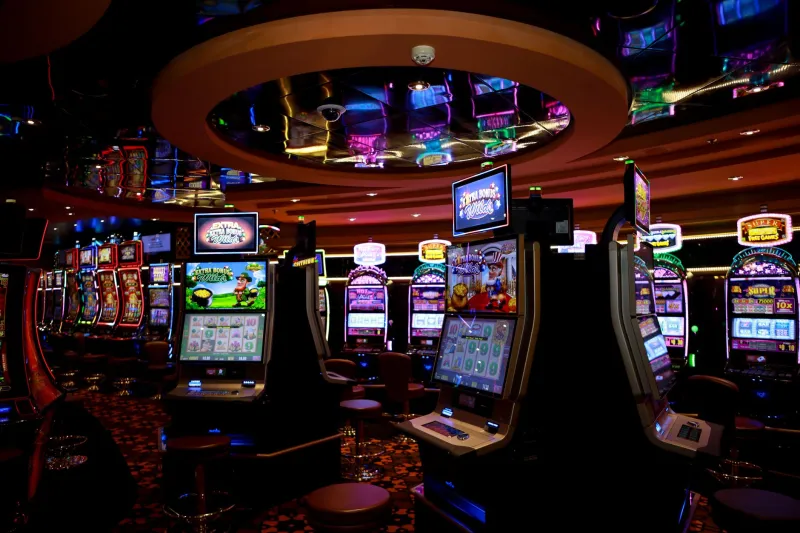
There was a time when a hand-pay jackpot came with a built-in ritual. The attendant showed up, counted out your winnings in front of you, and if you were feeling generous — or lucky — you slid them a twenty. A cocktail server dropped off your drink, you tapped her tray, done. It was quick, human, and honestly kind of nice.
Fast forward to today, and that scene is vanishing. Casinos across the US, from Vegas resorts to riverboats in the Midwest, are pushing cashless wallets and app-based play hard. Your balance lives on your phone. Your comps load automatically. And tipping? Now there's a button for that.
The question is whether anyone actually feels it.
The Button Is Convenient. The Gesture Isn't.
Let's give the industry some credit: digital tipping features are genuinely useful. No more fumbling for bills mid-spin or waving down an attendant who's three rows away. A few taps and a gratuity lands in someone's account. For players who carry no cash at all — which is a growing majority — it's the only tipping option that exists.
But convenience and sincerity aren't the same thing. Handing someone a folded bill involves a moment of eye contact, a quick thank-you, a tiny social exchange. A push notification that says "You received a $5 tip" doesn't replicate that. It's the difference between handing a friend a birthday gift and Venmo-ing them with a cake emoji. Same money, very different feeling.
There's also a subtle behavioral shift. When tipping required pulling cash out of your wallet, it was a deliberate act — you decided the amount before you spent it. A digital tip button, sitting right next to the spin button, can feel more like a checkout screen than a gesture. And checkout screens nudge you toward the default option, whatever that happens to be.
Who's Actually Affected
It's worth remembering who loses out when gratuities dry up. Slot attendants, cocktail servers, and floor staff have long relied on tips as a meaningful chunk of their income — especially in markets like Las Vegas, where tipping culture runs deeper than anywhere else in the country. If cashless play erodes those gratuities and casinos don't adjust base pay to compensate, the people doing the actual floor work absorb the loss.
Some operators have noticed. A handful of properties now pool digital tips and distribute them through payroll, which at least guarantees the money reaches staff. Whether that's a fair trade for the spontaneity of a live tip is debatable, but it's better than the alternative: a floor full of players with empty wallets and no way to say thanks at all.
Does the Casino Floor Feel Different Now?
Here's the part that's easy to overlook: tipping was never just about the money. It was one of the few genuinely two-way interactions on a floor otherwise dominated by machines. You weren't tipping a screen. You were tipping a person who knew where the good paytables were, who'd crack a joke on a cold streak, who remembered your drink order.
As more of the casino experience gets routed through apps — deposits, comps, drink orders, now gratuities — the floor starts to feel less like a room full of people and more like a very loud website. That's not inherently bad; plenty of players love the frictionless experience. But something is lost when every interaction becomes transactional. A tip button can't laugh at your bad luck. A server you ordered from in-app doesn't know you've been sitting there for two hours.
So Should You Still Tip?
If you're asking whether the etiquette survives, our take is simple: yes, if you can. Use the digital feature when it's there — it's real money to real people, even if it feels less personal. Keep a few small bills in your pocket for the moments that deserve a human touch. And if a casino's app makes tipping deliberately clunky or buried, that says something about their priorities, not yours.
The cashless casino isn't going anywhere, and honestly, most of us aren't mourning the ATM fees. But the rituals we build around games — the handshakes, the folded twenties, the tray tap — are part of what made casino floors feel like places instead of platforms. Progress is fine. Let's just not tip our way out of the humanity along the way.