Scratch-Offs vs. Spins: The Surprising Math Behind America's Two Favorite Bets
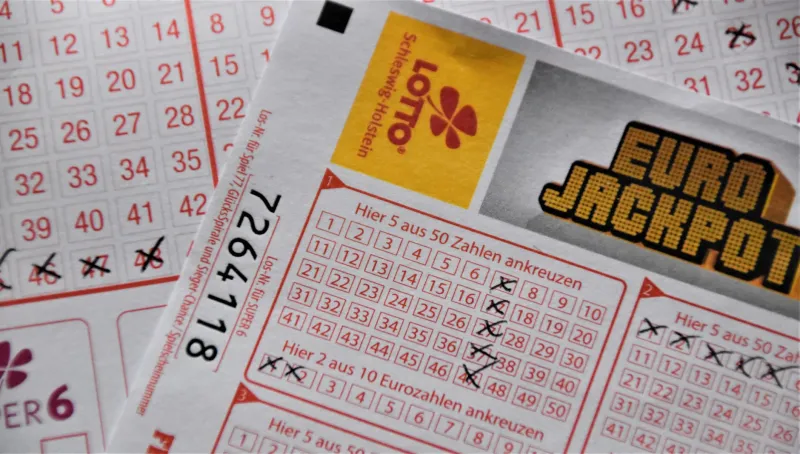
Picture two players. One drops $20 on scratch-offs at the counter of a Wawa in New Jersey. The other loads $20 onto an online slots account and settles in for an evening on the couch. Ask either one who's gambling 'responsibly,' and they'll probably point at each other.
Here's the thing: when you actually run the numbers, the lottery player is often getting the worse deal — and most of them have no idea.
The House Edge Nobody Talks About
Let's start with the headline numbers, because they're genuinely surprising.
State lotteries across the US routinely return somewhere between 50% and 70% to players, depending on the game and the state. Scratch-offs in particular tend to sit at the low end — many popular $1 and $2 tickets effectively return around 60% or less over their lifetime. Powerball and Mega Millions are even harsher, with a large chunk of every ticket going toward that giant (and wildly unlikely) jackpot.
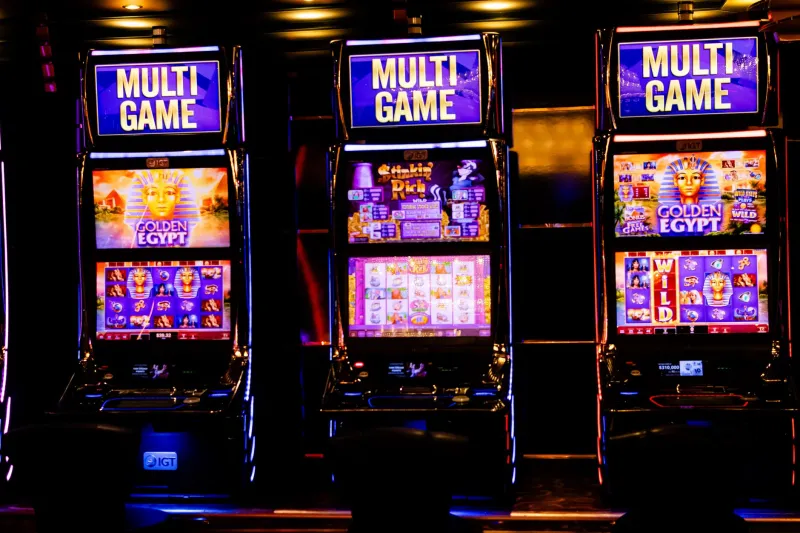
Compare that to regulated online slots, where RTP — return to player — is typically 94% to 96% and is published right there in the game's info screen. In states with legal online casinos like New Jersey, Pennsylvania, and Michigan, those games are independently audited. The house edge on a typical slot is a third to half the effective edge on a scratch ticket.
That's not a rounding error. Over $100 in play, a 60% return means $40 gone; a 95% return means $5 gone. Same money, wildly different outcomes on average.
Entertainment Per Dollar: The Metric That Matters
Of course, nobody buys a Powerball ticket expecting value. You're buying a daydream — the parking-lot fantasy about what you'd do with $400 million. That's worth something. But it's worth being honest about what you're buying.
Here's where slots have an underrated advantage: time.
A $20 scratch-off book is gone in minutes. You scratch, you lose (probably), and the transaction is over. Meanwhile, $20 at an online slot at modest bet sizes can fund an hour or more of entertainment — bonus rounds, near misses, feature buys, the whole show. Even accounting for the eventual loss, the per-hour cost can beat a movie ticket, let alone a night out.
The lottery sells a moment of hope. Slots, at least the way most casual players use them, sell an evening. If you're spending money on gambling as entertainment anyway, more entertainment per dollar is hard to argue with.
Two Different Kinds of Psychology
The mental game differs too, and it's worth understanding both sides.
Lottery psychology runs on the availability heuristic — those jackpot winner photos on the news make winning feel plausible when it's astronomically rare. Scratch-offs add the illusion of skill: you pick the ticket, you scratch it yourself. You feel involved in a process that's pure chance.
Slot psychology works differently. The games are engineered for engagement — sounds, near-misses, streaky bonus features — and that's a real thing to watch out for. The flip side is that the feedback loop is faster and more transparent. You can see your balance moving in real time, set deposit limits, and walk away mid-session. A scratch-off book, by contrast, is a sunk cost the moment you buy it; most people scratch the whole thing out of pure momentum.
Neither format is 'safe.' But slots in regulated US markets come with built-in tools — loss limits, session reminders, self-exclusion — that the lottery counter at your local gas station simply doesn't offer.
The Honest Caveats
This isn't a commercial for slots. Some things cut the other way:
- Speed of play. Slots are fast. You can lose $20 in ten minutes if you're betting big. A scratch book takes longer to burn through, even at worse odds.
- Accessibility. The lottery is everywhere, including states with no legal online casinos, which pushes people toward unregulated offshore sites. That's a real problem — if you're playing slots online, make sure you're doing it on a licensed platform in your state.
- Jackpot dreams. If the fantasy of one life-changing win is the whole point, slots max out far lower than Powerball. Different product, different promise.
The Takeaway
If the goal is maximizing playtime and minimizing the house's cut, the math favors online slots — often by a wide margin. If the goal is a cheap ticket to a billion-dollar daydream, the lottery delivers that, and there's nothing wrong with knowing that's what you're buying.
The real mistake is assuming one of these habits is 'gambling' and the other isn't. Both take your money. One of them just takes less of it, tells you the odds up front, and gives you an evening's worth of entertainment in return.
Know which game you're actually playing — the one on the screen, or the one the numbers are playing on you.