Cold Streaks, Hot Machines, and the Lies Your Brain Tells You at the Reels
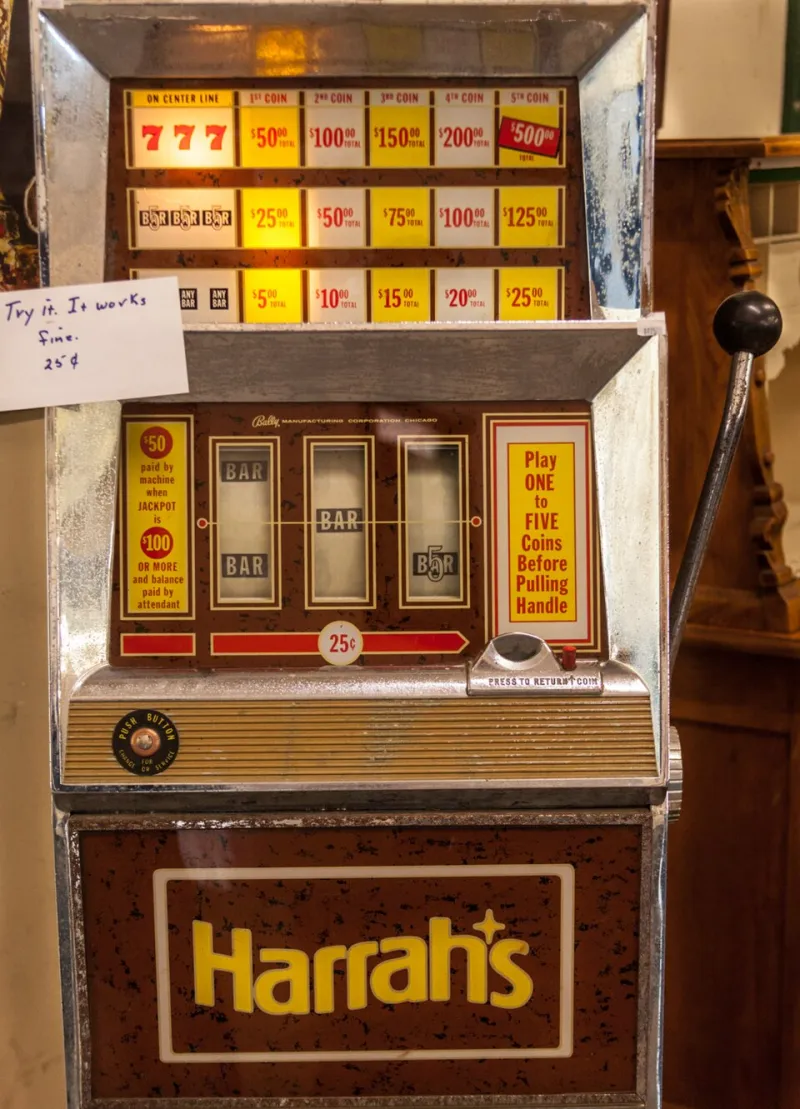
Photo: Paul VanDerWerf from Brunswick, Maine, USA, CC BY 2.0, via Wikimedia Commons
You've been spinning for twenty minutes. Nothing. A few small pays here and there, but mostly dead reels staring back at you like they've got a personal grudge. Then — finally — three wilds line up and the coins start flying. You lean back, satisfied, convinced that your patience paid off. That the machine knew it owed you one.
Spoiler: it didn't. And that belief, as harmless as it feels in the moment, is one of the most expensive mental habits a slot player can carry to the screen.
Your Brain Is a Pattern Machine (Even When There's No Pattern)
Humans are wired to find order in chaos. It's a survival trait baked in over thousands of years — spot the shape in the bushes, figure out when the berries ripen, recognize the rhythm of the seasons. That instinct has kept our species alive, but it's absolutely terrible for reading slot machines.
Online slots run on Random Number Generators, or RNGs. Every single spin is a completely independent event. The game has no memory of what happened ten spins ago. It doesn't track your losses and quietly build up a debt it plans to repay. There is no internal ledger. The outcome of your next spin is statistically identical whether you've just hit five jackpots in a row or gone 200 spins completely dry.
But your brain? Your brain hates that explanation. It wants a story. So it builds one.
The Gambler's Fallacy in a Slot Context
The classic version of this cognitive trap is called the Gambler's Fallacy — the belief that past random events influence future ones. You've probably heard it described in terms of a coin flip: if heads comes up seven times in a row, it doesn't mean tails is "due." The coin has no idea what it did before.
Slots work the same way, but the illusion is way easier to fall into because the visual feedback is so rich. Cascading reels, near-miss animations, bonus symbols landing on reels one and two with nothing on three — all of it feels like the machine is telling you something. Like it's teasing you, warming up, getting ready to pay.
It isn't. Near misses are a design feature, not a signal. They're engineered to feel meaningful without actually being meaningful. And the longer your losing streak runs, the stronger that false sense of inevitability becomes.
The 'Hot Machine' Myth Deserves Its Own Takedown
Flip it around and the same problem shows up in reverse. You hit a solid win early in a session — maybe a free spins round that paid out nicely. Suddenly the machine feels alive. You're on it. You've found the hot one. Better keep riding this wave before it cools off.
Again, the RNG doesn't operate in waves. A machine that just paid out a significant win is statistically no more or less likely to pay again on the very next spin than one that's been cold for an hour. The randomness resets completely every time you hit that button.
The "hot machine" narrative is seductive because it gives you a reason to keep playing that feels logical rather than impulsive. You're not chasing losses — you're capitalizing on momentum. Except the momentum isn't real. It's a story you're telling yourself to justify the next spin.
Why Streaks Feel So Intentional
Here's where it gets genuinely interesting from a math standpoint. True randomness doesn't look the way most people expect. If you flipped a fair coin 100 times, you'd almost certainly see runs of five or six consecutive heads somewhere in that sequence. You'd see clusters. You'd see what looks like patterns.
That's not the coin malfunctioning. That's exactly what random distribution looks like in practice. Slot sessions work the same way. A string of ten losing spins followed by two wins followed by eight more losses isn't evidence of a machine that's cycling through phases. It's just what randomness produces when you watch it long enough.
Our brains segment that data into chapters — the rough patch, the comeback, the dry spell — because narrative is how we process experience. But the machine isn't writing a story. It's just generating numbers.
What This Actually Means for How You Play
None of this is meant to kill the fun. Playing slots is entertainment, and FafaSeLoT is all about that thrill of the spin. But understanding randomness can genuinely change the way you make decisions at the reels, especially the ones that cost you money.
When you catch yourself thinking I've been losing forever, a win has to be coming — that's the moment to pause. Not because a win isn't coming (it might be, completely at random), but because that belief can push you to extend a session beyond what your budget allows. The logic feels sound, but it's built on a foundation that doesn't exist.
Same goes for chasing a "hot" run. Winning streaks end. They end randomly, not on a schedule you can predict. Riding a hot machine until it cools down sounds like smart play, but you're essentially betting on a pattern that was never really there.
Building a Smarter Mental Framework
So what does rational slot play actually look like? A few things worth keeping in mind:
Set your session limits before you start. Decide on a loss limit and a win goal before your first spin, when your brain isn't yet invested in any narrative about what the machine owes you.
Treat every spin as its own event. Sounds clinical, but it genuinely helps to mentally reset after each outcome rather than letting a streak — good or bad — color your next decision.
Notice when you're telling yourself a story. The moment you start explaining your results in terms of the machine being "ready" or "overdue," that's your cue to check in with your actual bankroll, not your gut.
Walk away on your terms, not the machine's. Because the machine doesn't have terms. It doesn't know you're there. The only one who can decide when a session is over is you.
The Randomness Is the Feature
Here's a reframe worth sitting with: the fact that every spin is independent isn't a design flaw you need to work around. It's the whole point. That unpredictability is exactly what makes each bonus trigger feel electric, each jackpot genuinely surprising. If patterns were real, the wins would feel mechanical.
The randomness is what keeps it exciting. You just can't let it trick you into thinking you've figured something out that isn't there to figure out. Play smart, set your limits, and enjoy the chaos for what it actually is — a fair, unpredictable ride where the next spin genuinely could go either way.