From Liberty Bell to Lightning Rounds: How the One-Armed Bandit Became a Screen in Your Pocket
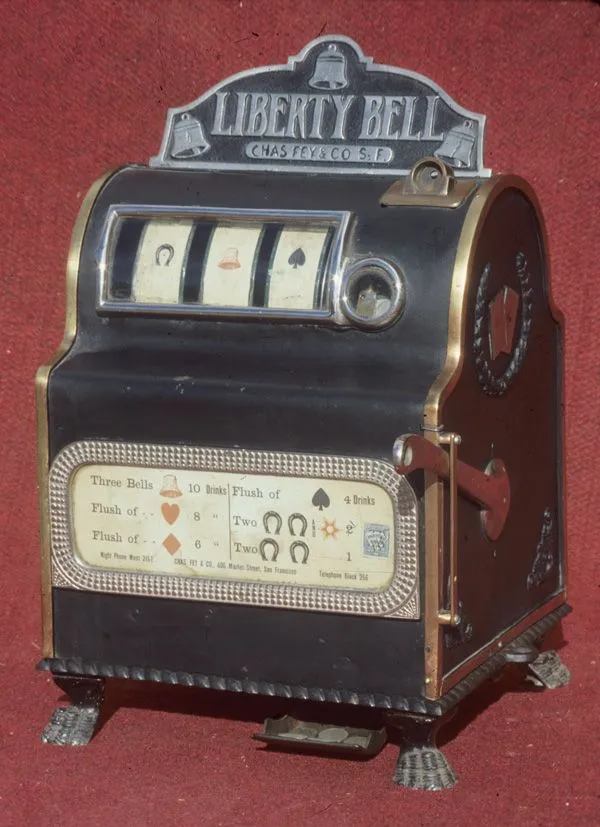
Photo: vintage antique slot machine liberty bell casino history, via i.pinimg.com
A Machine Born in a Barbershop
Every online slot you've ever spun — every cascading reel, every expanding wild — traces its family tree back to a modest invention from the 1890s. Charles Fey, a Bavarian immigrant working out of a San Francisco workshop, built a machine called the Liberty Bell. Three reels, five symbols, one payout for lining up the bells. No electricity. No sound effects. Just gravity, springs, and a lever.
What's remarkable is how little of the actual experience has changed. Fey's machine paid out based on a random combination of symbols. So does the slot you played this morning while waiting for your coffee order. The packaging is unrecognizable; the core loop is identical.
The Era of Gum, Fruit, and Workarounds
The early 20th century was not kind to gambling machines. As states across the US banned cash payouts, manufacturers got creative — and weird. The famous "fruit machines" paid out in chewing gum and candy, which is why cherries, lemons, and plums still decorate reels a century later. The BAR symbol? That's the logo of the Bell-Fruit Gum Company, preserved in digital amber.
Even the lever itself was partly marketing. Early machines had a pull-arm because players distrusted push-buttons — the physical resistance of the crank felt like proof the game was "honest." Sound familiar? It's the same psychology behind today's satisfying reel-spin animations. Players have always wanted to feel the randomness.
Buggy Machines and the First Bonus Feature
Here's a fun wrinkle: when mechanical slots couldn't naturally produce enough winning combinations, inventors rigged the odds. The 1964 "Money Honey" machine from Bally was the first fully electromechanical slot, and it quietly revolutionized everything. Electric motors meant bigger payouts, flashing lights, and — critically — no more coin hopper jams requiring an attendant with a wrench.
Then came the 1970s and the first video slot prototype in Las Vegas. Casino executives reportedly hated it. No spinning reels? No mechanical sounds? Players wouldn't buy it, they said. Players, as usual, decided otherwise. Within a decade, video slots dominated floors from Reno to Atlantic City, and the bonus round — the ancestor of every free spins feature you've ever triggered — was born.
The Internet Picks Up the Lever
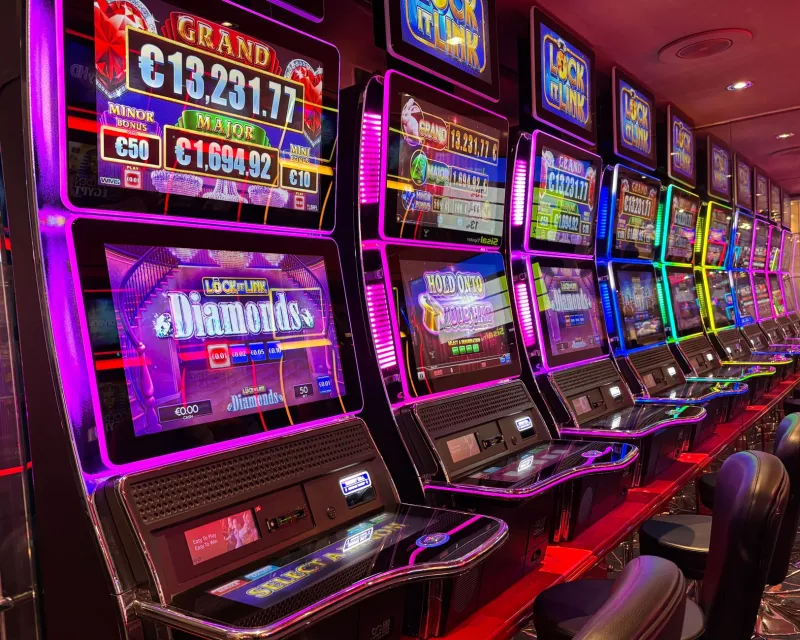
When online casinos arrived in the mid-1990s, slots made the jump almost immediately, and honestly, the first ones were ugly. Clunky graphics, tinny sound, gameplay that felt like a PowerPoint presentation. But the underlying advantage was undeniable: a software slot could offer return-to-player percentages and volatility profiles that a physical machine, constrained by its cabinet and coin capacity, simply couldn't match.
The modern era — Megaways with hundreds of thousands of ways to win, cluster pays, bonus buy features — would be mechanically impossible in Fey's world. A cast-iron Liberty Bell has exactly 1,000 possible symbol combinations. Some of today's online slots have more possible outcomes than atoms in your coffee cup. OK, slight exaggeration, but you get the point.
What Never Changed
Strip away the 3D animations and the licensed themes, and here's what you're left with: you place a stake, something random happens, and you either win or you don't. That tension-and-release cycle is the whole product. It worked in a San Francisco saloon in 1898, and it works on a phone in an airport lounge in 2024.
There's something oddly comforting about that continuity. The grandma pulling a one-armed bandit in a 1950s Nevada roadhouse and the Gen Z player spinning a crypto-themed slot are having, at the neurological level, the same experience. Different delivery, same thrill.
History's Takeaway for Modern Players
Knowing where slots came from is more than trivia — it's perspective. Every "new" feature that gets marketed as revolutionary is usually a century-old idea wearing a new skin. Free spins are gum payouts with better graphics. Near-miss animations are the electronic version of a reel that was always weighted to tease you.
The Liberty Bell paid a maximum of 50 cents, and players lined up anyway. Whatever version of the spin you're chasing today, remember: the machine has been evolving for 125 years, and it's gotten very, very good at its job. Respect the history, enjoy the show, and always play with money you're fine waving goodbye to.