Why You Always Go Back to That One Slot: The Science of Game Loyalty

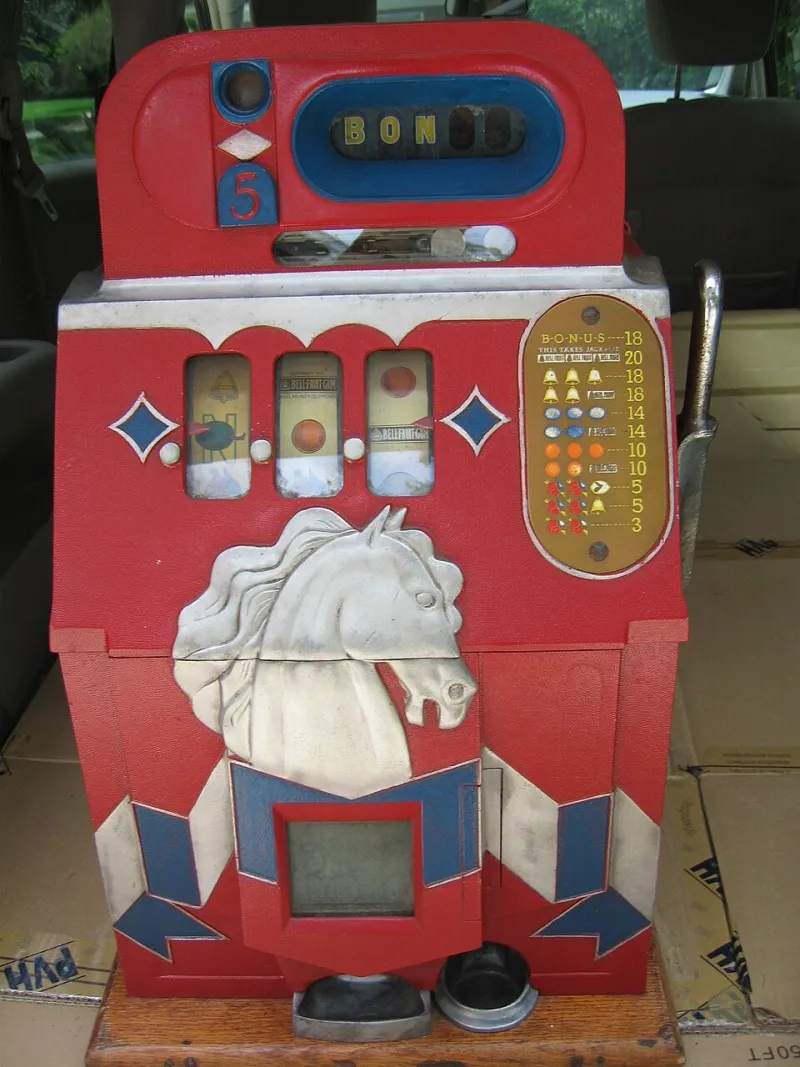
Photo: Ranjith-chemmad, CC BY-SA 4.0, via Wikimedia Commons
You know the feeling. You open up your casino app, scroll past a dozen shiny new titles, and somehow end up right back at the same game you've been playing for months. Maybe it's a Norse mythology epic with hammer-wielding symbols and a thunderous soundtrack. Maybe it's a retro fruit machine that reminds you of Vegas trips from years ago. Whatever it is, there's a gravitational pull to it that's hard to explain.
Here's the thing: that pull isn't accidental. It's the product of deliberate design choices, psychological principles that game studios have spent years refining, and increasingly sophisticated personalization technology that modern platforms deploy to keep you engaged. Understanding what's actually happening when you feel that familiar tug toward your favorite reels is the first step toward playing on your own terms.
It Starts With the Story
Slot games are no longer just spinning symbols. The most successful titles in the current market are built around full narrative frameworks — origin stories, character arcs, world-building. You're not just matching symbols; you're exploring ancient Egypt, hunting bounties in the Wild West, or descending into a dragon's lair.
This matters because human brains are wired for narrative. We don't just remember events — we remember stories. When a slot game gives you a character to root for, a world to return to, and a sense of progression through bonus rounds and unlockable features, it's creating the same kind of engagement loop that keeps people binge-watching TV series.
Game studios know this. The shift toward story-driven slot design over the past several years isn't cosmetic — it's a direct response to data showing that narrative elements dramatically increase session length and return visit rates.
Visual Identity and the Memory Hook
Beyond story, there's the raw power of visual identity. The best slot games have an instantly recognizable aesthetic — a specific color palette, a distinctive character design, an animation style that you'd clock from across a lobby. That recognition creates comfort, and comfort creates return visits.
Think about how quickly you can identify a game just from its loading screen or a thumbnail. That instant recognition isn't a coincidence. Studios invest heavily in creating visual signatures that stick in players' memories, because familiarity breeds preference. The more you've seen a game's visuals, the more "yours" it feels — even if you've never consciously thought about it that way.
Sound design plays the same role. The specific jingle of a win on your favorite game, the ambient soundtrack that plays during base gameplay, the satisfying thud of a big hit — these audio signatures become deeply associated with the emotional peaks of your gaming sessions, and your brain starts seeking them out.
The Algorithm Behind Your "Favorites"
Here's where it gets genuinely interesting from a tech perspective. Most modern online casino platforms don't just show you a neutral library of games. They're running personalization engines that track your behavior — which games you click on, how long you play, when you return, what features trigger extended sessions — and use that data to surface content they predict you'll engage with.
This isn't unique to gambling platforms. It's the same logic that powers Netflix recommendations and Spotify's Discover Weekly. But in the context of real-money gaming, it's worth understanding more clearly.
When a platform's recommendation engine keeps surfacing your "favorite" game on your homepage, it's not just being helpful. It's reinforcing a habit loop that benefits the platform's engagement metrics. Your loyalty to a particular title is, at least partially, a product of how often you've been shown that title.
That doesn't mean your preferences aren't genuine — they are. But it's worth asking: would you feel as attached to that game if you'd been shown it half as often?
The Loyalty Loop: When Preference Becomes Pattern
There's a meaningful difference between preferring a game and being locked into a game. The first is healthy — you've tried a bunch of options, you know what you like, and you return to it because it genuinely entertains you. The second is something to pay attention to.
Signs that a preference might have shifted into an unhealthy pattern:
- You feel anxious or unsatisfied playing other games, even when you're trying to branch out
- You return to the game specifically after a losing session, looking to "get even" on familiar territory
- Your session lengths on that particular game are consistently longer than on other titles, even when you intended to play briefly
- You feel a specific pull to the game during stressful periods, rather than as general entertainment
None of these are automatic red flags in isolation — context matters. But they're worth noticing, because the design elements that make a game feel comforting are the same ones that can make it feel necessary.
Practical Ways to Diversify Without Losing What You Love
If you've identified a game you genuinely love — the theme resonates, the mechanics suit your style, the volatility fits your bankroll approach — there's no reason to abandon it. The goal isn't to stop enjoying your favorites; it's to stay in the driver's seat.
A few approaches that work:
Set a rotation rule. For every two sessions on your go-to game, commit to one session on something new. You might find a second favorite. You'll definitely expand your overall gaming literacy.
Explore thematic cousins. If you're drawn to a specific theme — mythology, adventure, retro aesthetics — seek out other games in that space. Often what you love about "your" game is the theme rather than the specific mechanics, and exploring similar titles can feel like discovery rather than abandonment.
Pay attention to why you're opening the app. If you're loading up because you're bored and want some entertainment, that's one thing. If you're loading up because you're stressed and the game feels like a release valve, that's a different conversation worth having with yourself.
Use free play modes when you want to explore without financial pressure. Most platforms offer demo versions of games. They're genuinely useful for breaking out of a loyalty loop without risking your bankroll on unfamiliar territory.
The Bottom Line on Slot Loyalty
Game loyalty isn't irrational — it's a natural response to good design, genuine entertainment value, and the human need for familiarity. The studios building today's best slot titles are skilled storytellers and visual artists, and it makes complete sense that their work would create emotional attachments.
What's worth staying aware of is the infrastructure behind those feelings — the personalization algorithms, the audio-visual memory hooks, the narrative loops designed to make every return feel like coming home. When you understand the mechanics, you can appreciate the craft without being entirely at its mercy.
Your favorite game can stay your favorite. Just make sure you're the one choosing to go back to it.