Turned Up to Eleven: How Slot Sound Design Is Playing Your Emotions Like an Instrument
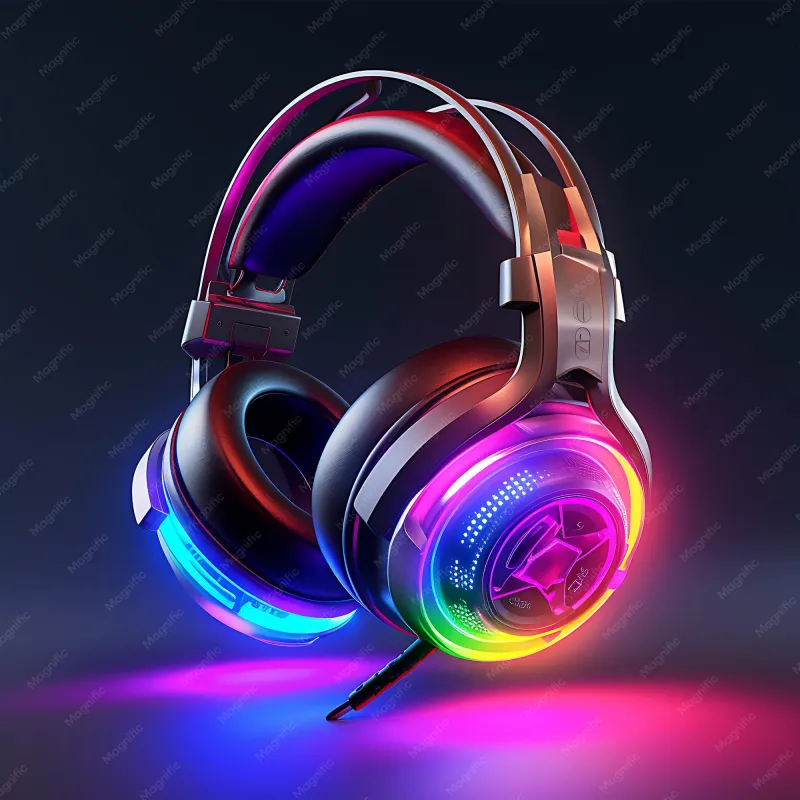
Photo: headphones neon casino slot machine sound waves colorful, via img.freepik.com
You know that feeling when you land two bonus symbols and the reels slow down, a dramatic chord swells, the third reel ticks… ticks… and then lands one position off? Your pulse jumped. Maybe you muttered something under your breath. And then — almost automatically — you hit spin again.
That wasn't an accident. That was a sound designer doing their job perfectly.
The audio architecture inside modern online slots is far more sophisticated than most players ever stop to consider. It's not background music. It's behavioral engineering wrapped in a catchy beat. At FafaSeLoT, we're all about helping you enjoy the thrill of the reels with your eyes wide open — so let's pull back the curtain on the sonic tricks that are quietly shaping how long you play, how much you bet, and how you feel about every single spin.
The Science of Sound and Reward
Here's a baseline fact worth knowing: the human brain is wired to respond emotionally to sound before it can process logic. Auditory stimuli hit the limbic system — the emotional core of the brain — faster than visual information reaches your conscious awareness. Slot developers know this, and they exploit it brilliantly.
When you land a win, even a small one that doesn't cover your bet, the machine typically fires off an upbeat chime sequence, a cascade of coins, or a celebratory musical sting. Your brain registers reward before your eyes have finished reading the payout amount. The emotional hit arrives first. The math comes second — if it comes at all.
Researchers at the University of Waterloo conducted studies showing that win-associated sounds caused players to overestimate how often they were actually winning. Players in silent conditions had a much more accurate read on their win/loss ratio. Add sound back in, and suddenly losing sessions felt like winning sessions. That's not a small psychological nudge. That's a full-on reality distortion.
Near-Miss Audio: The Cruelest Hook in the Game
If standard win sounds are a psychological nudge, near-miss audio is a full shove.
A near-miss — when two jackpot symbols land and the third just barely misses — is technically a loss. Your bankroll goes down. But slot designers score these moments with music and sound effects that closely mimic actual wins. The tempo rises. There's tension in the audio. Then a distinctive "almost" sound plays — not as disappointing as a dead loss, but not as triumphant as a win. It occupies a sonic middle ground that your brain interprets as meaningful.
And meaningful, in gambling psychology, translates directly to keep going. The near-miss sound tells your subconscious: you were close. Try again. It's coming.
This is one of the most studied phenomena in gambling research. The near-miss effect has been shown to increase arousal, extend session length, and encourage players to maintain or increase bet sizes — all on the back of a sound cue attached to what is, objectively, just another loss.
Tempo, Rhythm, and the Pace of Play
Beyond specific cues, the overall musical tempo of a slot game influences how fast you play. Upbeat, high-BPM soundtracks tend to accelerate the pace at which players hit the spin button. Slower, atmospheric scores — common in fantasy or mystery-themed games — can create a more hypnotic, immersive state that makes time feel elastic.
Both approaches serve the same end: extended sessions. Fast music creates urgency. Slow music creates trance. Developers pick their poison based on their target audience and the theme of the game.
Even silence is used strategically. Some games strip audio way down during base play, then flood the speakers when a bonus round triggers. The contrast is jarring in the best possible way — your attention snaps to the screen, your engagement spikes, and the bonus round feels like an event rather than just another mechanic.
The Loyalty Loop: Familiar Sounds Feel Like Home
There's another layer to this that doesn't get talked about enough: sonic branding. The most popular slot franchises have signature sounds — specific audio signatures for their biggest features. If you've played a particular game series for a while, the sound of that bonus trigger probably causes a Pavlovian response before you've even registered the visual.
Game developers deliberately build this association over time. Sequels in a slot series often carry over key audio cues from earlier titles specifically to trigger that familiarity response. You feel comfortable. You feel like you're in familiar territory. You keep playing.
This is the same principle major consumer brands use — think about the five-note McDonald's jingle or the Netflix "ta-dum" — applied directly to gambling behavior.
What You Can Actually Do About It
Knowledge is the first tool. Once you recognize that the sounds are doing a job on your emotions, you gain a little distance from the automatic responses they trigger.
Here are a few practical moves:
Mute the game occasionally. This sounds counterintuitive if you enjoy the audio experience, but playing a few sessions on mute gives you a clearer, more emotionally neutral read on your actual results. You might be surprised how different the session feels.
Notice your reaction to near-misses. If you feel a specific urge to spin again immediately after a near-miss, recognize that as a designed response, not a genuine signal that a win is incoming. The reels have no memory. The sound is theater.
Set time limits before you start. Sound design is particularly effective at distorting your sense of time. Committing to a hard stop before you begin — and using a timer if necessary — takes that variable out of the equation.
Choose games that feel right for your mood. High-energy soundtracks might be great for a short, exciting session. But if you're already stressed or tired, that same audio environment can push you toward impulsive decisions faster than you'd expect.
The Bottom Line on the Beats
Online slots are entertainment products built by teams of engineers, designers, and yes, psychologists. The audio layer is not decoration — it's infrastructure. It's there to shape your experience, extend your engagement, and keep the session feeling rewarding even when the numbers aren't running in your favor.
None of this means you can't enjoy slots. The sounds are genuinely fun. The anticipation they build is part of what makes the format so entertaining. But enjoying something and understanding it aren't mutually exclusive — in fact, the more you understand what's happening under the hood, the more confidently you can enjoy the ride on your own terms.
Spin smart. And maybe turn the volume down once in a while, just to check in with reality.